Korean Bibimbap
Highlighted under: Global Inspiration
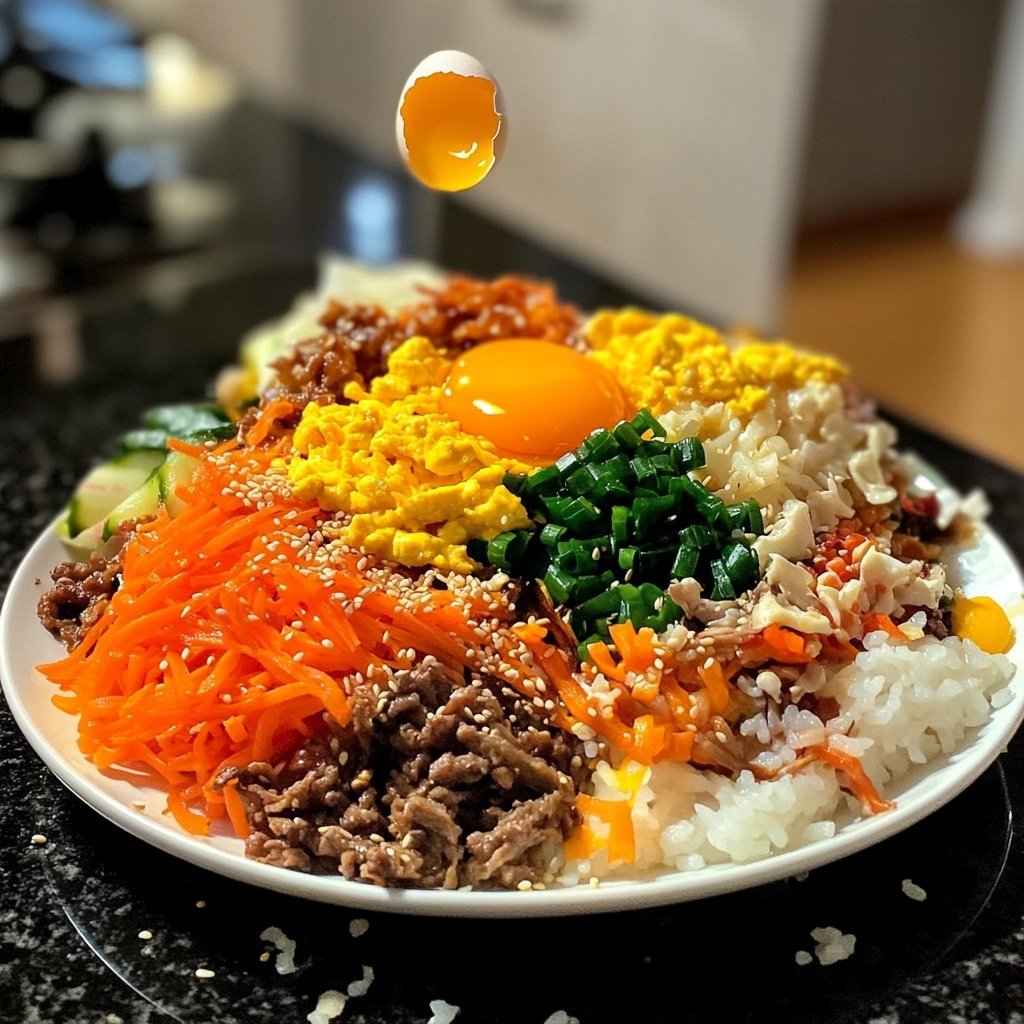
Korean Bibimbap is a colorful and nutritious rice bowl topped with an array of vegetables, meat, and a sunny-side-up egg, all mixed together with a spicy gochujang sauce.
Korean Bibimbap is a beloved dish that showcases the harmony of flavors in Korean cuisine. Each ingredient brings its unique taste and texture, creating a delightful meal that is both satisfying and healthy.
Reasons to Love Korean Bibimbap
- A beautiful presentation with vibrant colors and textures
- Packed with nutrients from a variety of vegetables
- Customize it with your favorite proteins and toppings
- Deliciously spicy kick from gochujang sauce
The Origins of Bibimbap
Bibimbap, which translates to 'mixed rice,' is a traditional Korean dish that has been enjoyed for centuries. Its origins trace back to the royal courts of Korea, where it was served as a lavish meal. This dish has evolved over time, becoming a staple in Korean households and street food culture. The combination of various ingredients symbolizes harmony and balance, both in flavor and nutrition.
Traditionally, bibimbap was made with leftover ingredients, allowing families to create a meal that was both delicious and resourceful. Today, it has become a celebrated dish, often featured in Korean restaurants around the world. The vibrant colors and diverse textures of the ingredients not only make for an appealing presentation but also reflect the bounty of Korean agriculture.
Nutritional Benefits
Korean Bibimbap is not just a feast for the eyes; it’s also a powerhouse of nutrition. The dish is loaded with a variety of vegetables, including spinach, carrots, and zucchini, each offering a unique set of vitamins and minerals. This variety ensures a well-rounded meal that can support overall health and wellness.
The inclusion of protein, whether from beef or tofu, adds essential amino acids to the dish, making it a satisfying option for both meat-eaters and vegetarians. Furthermore, the gochujang sauce introduces a healthy dose of fermentation benefits, which can aid in digestion and boost gut health. Overall, bibimbap is a delicious way to nourish your body.
Customization and Creativity
One of the best aspects of Korean Bibimbap is its versatility. You can easily customize this dish to suit your taste preferences or dietary restrictions. Feel free to swap out the ground beef for chicken, shrimp, or a plant-based protein like lentils or chickpeas. The vegetables can also be adjusted based on what you have on hand or what’s in season.
Adding toppings such as kimchi, pickled radish, or a sprinkle of sesame seeds can elevate your bibimbap experience. This creativity not only makes it easy to prepare but also ensures that you never get bored with the same meal. Each bowl can be a unique representation of your personal tastes and culinary exploration.
Ingredients
Gather all the ingredients before you start cooking for an efficient process.
For the Bibimbap
- 2 cups cooked rice
- 1 cup spinach, blanched
- 1 cup bean sprouts, blanched
- 1 carrot, julienned
- 1 zucchini, julienned
- 1 cup shiitake mushrooms, sliced
- 4 eggs
- 1 lb ground beef (or tofu for a vegetarian option)
- 2 tablespoons vegetable oil
- Salt and pepper to taste
For the Gochujang Sauce
- 3 tablespoons gochujang
- 1 tablespoon sesame oil
- 1 tablespoon sugar
- 1 tablespoon rice vinegar
- 1 teaspoon minced garlic
Make sure to adjust the ingredients to your taste and dietary preferences.
Instructions
Follow these steps to create a delicious Korean Bibimbap.
Prepare the Gochujang Sauce
In a small bowl, mix together gochujang, sesame oil, sugar, rice vinegar, and minced garlic until smooth. Set aside.
Cook the Beef
In a skillet over medium heat, add vegetable oil and cook the ground beef until browned. Season with salt and pepper. Remove from heat.
Sauté the Vegetables
In the same skillet, add zucchini and carrot, sautéing until tender. Remove and set aside. Add shiitake mushrooms and cook until soft.
Fry the Eggs
In a separate pan, fry the eggs sunny-side-up until the whites are set but the yolks are still runny.
Assemble the Bibimbap
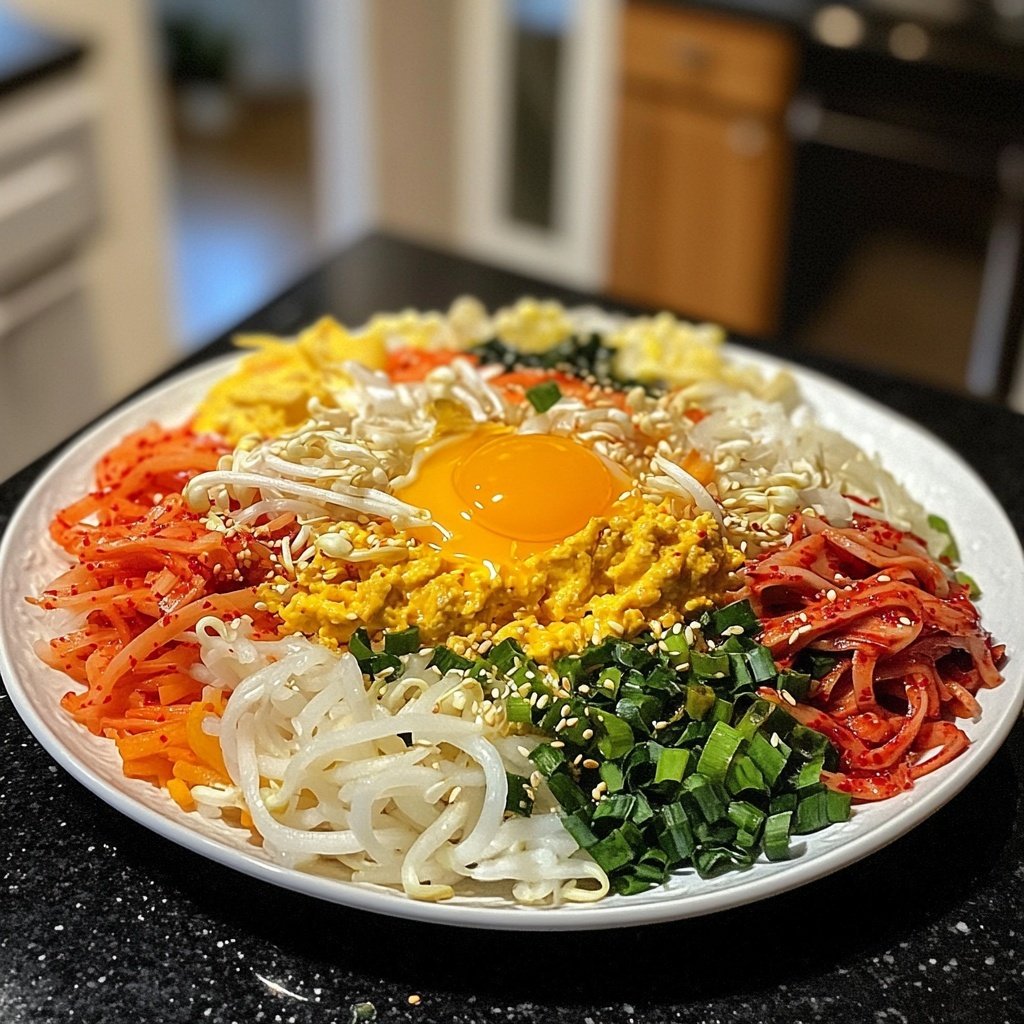
In a large bowl, place a serving of rice at the bottom. Arrange the cooked vegetables, beef, and blanched spinach and bean sprouts on top. Add the fried egg in the center and drizzle with gochujang sauce.
Serve
Mix everything together before eating, and enjoy your homemade Korean Bibimbap!
Enjoy your meal and feel free to add more toppings as per your preference!
Pro Tips
- For an extra layer of flavor, try adding sesame seeds or sliced green onions on top before serving.
Tips for Perfect Bibimbap
To achieve the best flavor and texture in your bibimbap, use freshly cooked rice. Korean short-grain rice is preferred for its sticky quality, which helps the ingredients cling together. If you don't have it, feel free to use any rice you have on hand, but adjust the cooking time accordingly.
When preparing your vegetables, ensure they are cut uniformly to ensure even cooking. Blanching the spinach and bean sprouts helps retain their bright color and crunch, while sautéing the mushrooms brings out their umami flavor. Remember, the presentation is key, so take your time arranging the ingredients beautifully.
Serving Suggestions
Bibimbap can be served as a main dish for lunch or dinner, but it also makes an excellent option for meal prep. Prepare individual servings and store them in airtight containers for a quick and nutritious meal throughout the week. Just remember to keep the gochujang sauce separate until you're ready to eat for the best flavor.
Pair your bibimbap with a side of Korean-style pickles or a light soup to round out the meal. A refreshing cucumber salad can also complement the dish nicely, balancing the heat from the gochujang and enhancing the overall dining experience.
Questions About Recipes
→ Can I use brown rice instead of white rice?
Yes, brown rice can be used for a healthier option, but it may take longer to cook.
→ Is Bibimbap vegetarian-friendly?
Absolutely! You can substitute beef with tofu or simply add more vegetables.
→ What is gochujang?
Gochujang is a Korean red chili paste made from fermented soybeans, glutinous rice, and salt, giving it a spicy and slightly sweet flavor.
→ Can I prepare the ingredients in advance?
Yes, you can prepare and store the vegetables and meat in the refrigerator a day before cooking.
Korean Bibimbap
Created by: Sybil Hawkes
Recipe Type: Global Inspiration
Skill Level: Intermediate
Final Quantity: 4 servings
What You'll Need
For the Bibimbap
- 2 cups cooked rice
- 1 cup spinach, blanched
- 1 cup bean sprouts, blanched
- 1 carrot, julienned
- 1 zucchini, julienned
- 1 cup shiitake mushrooms, sliced
- 4 eggs
- 1 lb ground beef (or tofu for a vegetarian option)
- 2 tablespoons vegetable oil
- Salt and pepper to taste
For the Gochujang Sauce
- 3 tablespoons gochujang
- 1 tablespoon sesame oil
- 1 tablespoon sugar
- 1 tablespoon rice vinegar
- 1 teaspoon minced garlic
How-To Steps
In a small bowl, mix together gochujang, sesame oil, sugar, rice vinegar, and minced garlic until smooth. Set aside.
In a skillet over medium heat, add vegetable oil and cook the ground beef until browned. Season with salt and pepper. Remove from heat.
In the same skillet, add zucchini and carrot, sautéing until tender. Remove and set aside. Add shiitake mushrooms and cook until soft.
In a separate pan, fry the eggs sunny-side-up until the whites are set but the yolks are still runny.
In a large bowl, place a serving of rice at the bottom. Arrange the cooked vegetables, beef, and blanched spinach and bean sprouts on top. Add the fried egg in the center and drizzle with gochujang sauce.
Mix everything together before eating, and enjoy your homemade Korean Bibimbap!
Extra Tips
- For an extra layer of flavor, try adding sesame seeds or sliced green onions on top before serving.
Nutritional Breakdown (Per Serving)
- Calories: 550 kcal
- Total Fat: 22g
- Saturated Fat: 6g
- Cholesterol: 210mg
- Sodium: 700mg
- Total Carbohydrates: 70g
- Dietary Fiber: 5g
- Sugars: 5g
- Protein: 20g