Simple Cake Recipes For Beginners
Highlighted under: Oven Inspiration
Baking my first cake was an adventure I’ll never forget. I was nervous, but the aroma of vanilla wafting through the kitchen assured me that I was on the right path. Over the years, I've learned that simple cakes can be delicious and impressive, and they’re perfect for any occasion. These recipes are designed with beginners in mind, so anyone can enjoy the satisfaction of creating something delightful from scratch. Let's dive into the world of cake baking together, creating sweet memories one layer at a time!
When I first started baking cakes, I was amazed by how simple ingredients like flour, sugar, and eggs could come together to create something so wonderful. I've experimented with various recipes, and one thing I've discovered is that every small detail matters, from how you measure your ingredients to the temperature of your oven. Trust the process, and don’t be afraid to get a little messy!
One of my favorite tips is to let your cake cool completely before frosting it. This prevents the frosting from melting and ensures a beautiful finish. I love to add vibrant fruits or a sprinkle of powdered sugar on top for that extra touch. You'll be surprised by how rewarding and enjoyable baking can be!
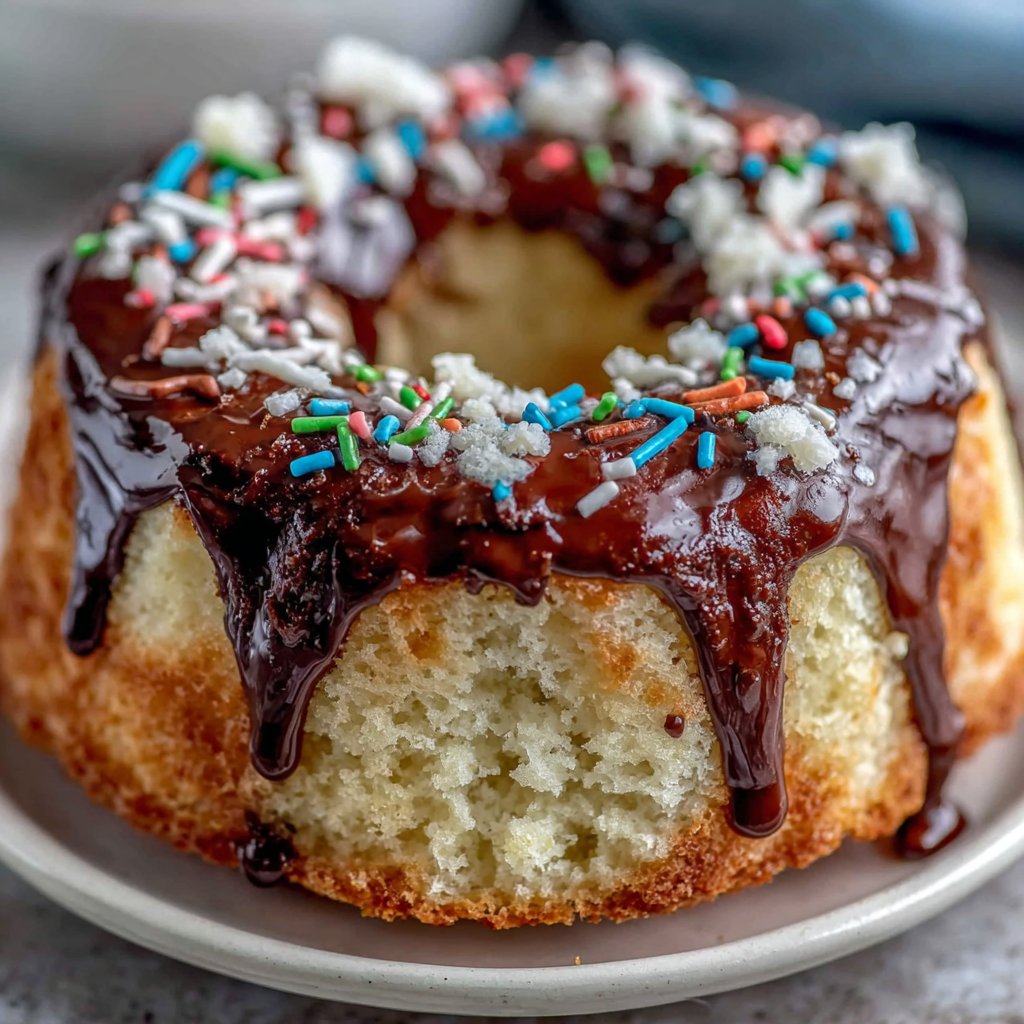
Why You'll Love This Recipe
- Perfect for beginners who want to learn the art of cake baking
- Versatile recipes that can be customized with your favorite flavors
- A delightful way to bond with family and friends over sweet creations
Understanding Cake Components
Each ingredient in this simple cake recipe plays a crucial role in achieving the perfect final product. For instance, all-purpose flour provides the structure, while unsalted butter adds richness and moisture. The combination of eggs not only binds the ingredients but also contributes to the cake's airy texture. If you're motivated to experiment, you can substitute the butter with oil for a lighter cake, but keep in mind that the flavor won't be as rich.
Baking powder is your trusty leavening agent here, creating that fluffy rise. Make sure it's fresh; old baking powder can lead to dense cakes that disappoint. When mixing your wet and dry ingredients, be careful not to overmix; this can lead to a tougher crumb. Mixing just until combined allows the cake to retain its lightness.
Baking and Frosting Tips
Once your batter is in the cake pan, it’s time for baking! Preheat your oven to 350°F (175°C) and place the cake in the center rack for even cooking. If you notice the edges browning too quickly, consider placing a piece of aluminum foil over the top to prevent burning while allowing the center to fully bake. The cake is ready when a toothpick inserted into the center comes out clean, which typically takes about 30 minutes.
Cooling is equally important; allowing the cake to rest in the pan helps it set properly. After 10 minutes, transferring it to a wire rack prevents it from becoming soggy. Once cooled, the cake can be frosted with your favorite icing. Cream cheese frosting pairs beautifully for a classic touch, but a simple dusting of powdered sugar can highlight the cake's own flavors, too. Always ensure the cake is completely cool before frosting to avoid melting!
Ingredients
Gather all your ingredients before you start baking to make the process smooth.
Basic Ingredients for Cake
- 2 cups all-purpose flour
- 1 cup granulated sugar
- 1/2 cup unsalted butter, softened
- 1 cup milk
- 3 1/2 teaspoons baking powder
- 1 teaspoon vanilla extract
- 1/2 teaspoon salt
- 2 large eggs
Make sure to follow the measurements closely for the best results.
Instructions
Preheat your oven to 350°F (175°C) before you start mixing your ingredients.
Prepare the Batter
In a large mixing bowl, cream the softened butter and sugar together until light and fluffy. Add the eggs one at a time, mixing well after each addition. Stir in the vanilla extract.
Combine Dry Ingredients
In a separate bowl, sift together the flour, baking powder, and salt. Gradually add the dry ingredients to the butter mixture, alternating with milk. Mix until just combined.
Bake the Cake
Pour the batter into a greased cake pan and smooth the top with a spatula. Bake in the preheated oven for 30 minutes or until a toothpick inserted in the center comes out clean.
Cool and Frost
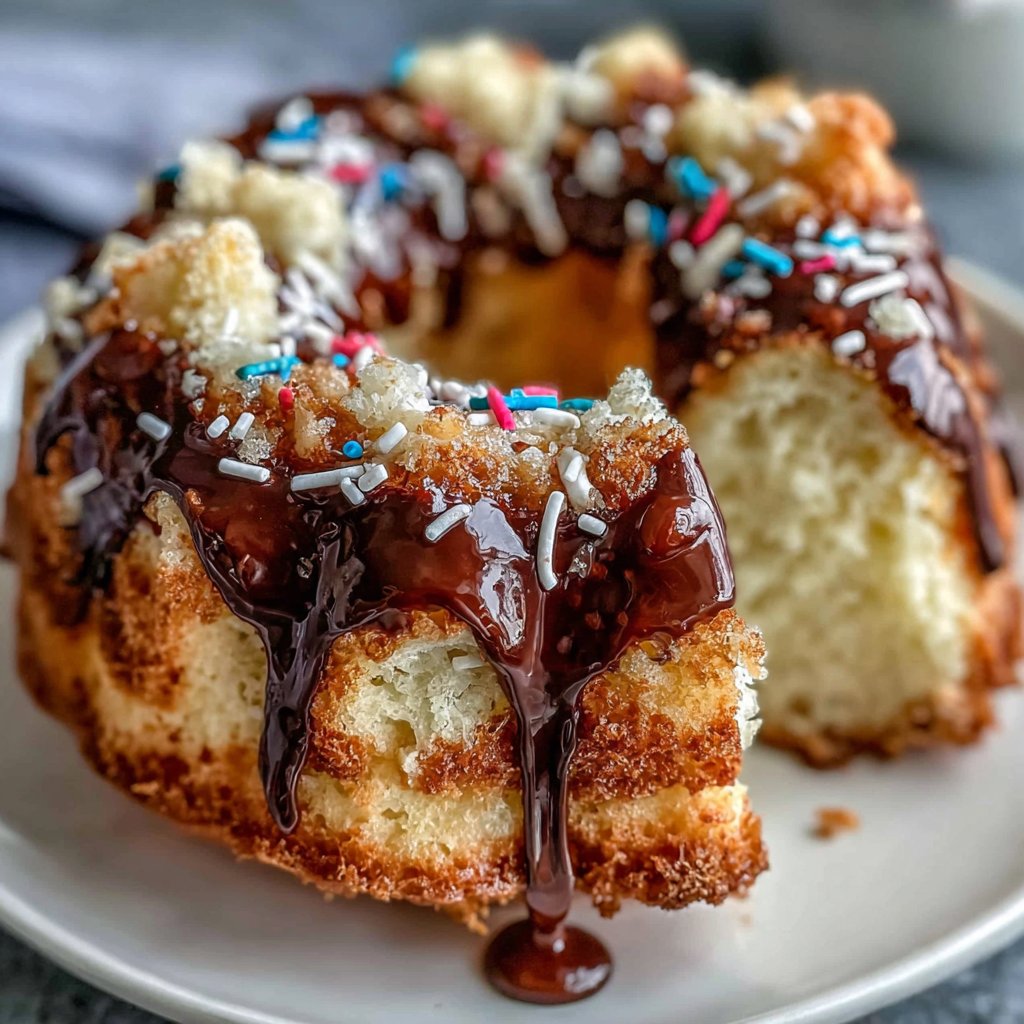
Let the cake cool in the pan for 10 minutes before transferring it to a wire rack. Once completely cooled, frost with your favorite icing or enjoy plain.
Cleanup is easy; just soak any baking utensils in warm water for easy removal of batter residue.
Pro Tips
- Always measure your ingredients accurately, and check your oven temperature with a thermometer for consistency. Enjoy the process and have fun experimenting with flavors!
Serving and Storage
This cake can serve as a delightful base for various toppings and fillings. Consider layering it with fresh fruits and whipped cream for a summer dessert or add chocolate ganache for an indulgent finish. If you're making this for a gathering, try cutting the cake into small squares and serving with toothpicks for easy handling.
If you find yourself with leftovers, store the cake in an airtight container at room temperature for up to three days, or in the fridge for a week. For longer storage, you can freeze slices wrapped tightly in plastic wrap and aluminum foil for up to three months. Thaw at room temperature when you're ready to enjoy another slice.
Variations and Adaptations
Don’t hesitate to customize the flavor of your cake. You can easily substitute half of the milk with buttermilk or sour cream for extra tenderness and a slight tang. For added flavor, mix in a tablespoon of your favorite citrus zest or switch out the vanilla extract for almond extract, which offers a unique taste.
For those who enjoy a twist, consider adding spices like cinnamon or nutmeg to warm up the cake's flavor profile. Chocolate lovers can stir in cocoa powder to create a chocolate cake variation. Just remember, if you add too much dry ingredient (like cocoa), you may need to adjust the liquid to maintain the desired batter consistency.
Questions About Recipes
→ Can I use different flavors for my cake?
Absolutely! You can add cocoa powder for a chocolate cake or citrus zest for a refreshing twist.
→ What can I use instead of eggs?
You can use applesauce or mashed bananas as a substitute for eggs in your cake recipe.
→ How long should I bake the cake?
Typically, a basic cake bakes for about 30 minutes, but always check with a toothpick for doneness.
→ Can I freeze the cake?
Yes, you can freeze the cake. Just wrap it well in plastic wrap and then in aluminum foil before placing it in the freezer.
Simple Cake Recipes For Beginners
Created by: Sybil Hawkes
Recipe Type: Oven Inspiration
Skill Level: Beginner
Final Quantity: 8 servings
What You'll Need
Basic Ingredients for Cake
- 2 cups all-purpose flour
- 1 cup granulated sugar
- 1/2 cup unsalted butter, softened
- 1 cup milk
- 3 1/2 teaspoons baking powder
- 1 teaspoon vanilla extract
- 1/2 teaspoon salt
- 2 large eggs
How-To Steps
In a large mixing bowl, cream the softened butter and sugar together until light and fluffy. Add the eggs one at a time, mixing well after each addition. Stir in the vanilla extract.
In a separate bowl, sift together the flour, baking powder, and salt. Gradually add the dry ingredients to the butter mixture, alternating with milk. Mix until just combined.
Pour the batter into a greased cake pan and smooth the top with a spatula. Bake in the preheated oven for 30 minutes or until a toothpick inserted in the center comes out clean.
Let the cake cool in the pan for 10 minutes before transferring it to a wire rack. Once completely cooled, frost with your favorite icing or enjoy plain.
Extra Tips
- Always measure your ingredients accurately, and check your oven temperature with a thermometer for consistency. Enjoy the process and have fun experimenting with flavors!
Nutritional Breakdown (Per Serving)
- Calories: 230 kcal
- Total Fat: 9g
- Saturated Fat: 4g
- Cholesterol: 75mg
- Sodium: 200mg
- Total Carbohydrates: 34g
- Dietary Fiber: 1g
- Sugars: 15g
- Protein: 3g